
Pristene® InSight™
Learn all about vision and the best ways to support your eye health.
Enter your email to receive the latest ophthalmologist-approved
Pristene InSight articles, tips and information to help support your vision.
Recent Posts
Why Quality and Clinical Research Matters in Your Supplements
Look for Science-Backed Supplement Formulations Not all supplements are created equal. While some may look similar on the surface, the difference often comes down to ingredient quality, potency, and absorption. At Pristene, we believe in science-backed supplement formulations that work harmoniously with your body to deliver tangible benefits. Here’s what sets our approach apart: Thoughtful…
April 11, 2025

Redefining Eye Health with Innovation, Science, and Care
Vision is one of our most precious gifts, yet it is often taken for granted until it begins to fade. Dr. Rama Jager, a renowned retinal surgeon and founder of Pristene (formerly Eye Check), recognized this and set out to revolutionize eye health. Combining his expertise as an ophthalmologist with a passion for improving visual…
March 25, 2025
The 7 Best Natural Ingredients To Fight Glaucoma
Several studies have shown that a healthy diet, rich in fruits and vegetables with high antioxidants, is linked to reduced risk for glaucoma, especially in older adults that are already at an increased risk for developing glaucoma. What Is Glaucoma? Glaucoma is a disorder that causes damage to important structures within the eye, primarily the…
November 27, 2024

What is Age-Related Macular Degeneration (AMD)?
This article is for informational purposes only and does not diagnose any conditions Age-related macular degeneration (AMD) is one of the leading causes of irreversible blindness in the world. Although it currently has no cure, there are multiple things that a person can do to help prevent and treat this condition. Age-related macular degeneration (AMD)…
October 25, 2024
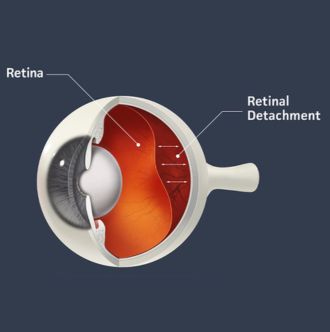
Retinal Detachment: Vital Info On the Journey to Vision Preservation
A retinal detachment occurs when the retina, a thin layer of light-sensitive tissue at the back of the eye, separates from its normal position. This separation disrupts the retina's ability to send visual signals to the brain, leading to vision loss that can become permanent if not treated promptly. The condition requires immediate medical attention,…
August 29, 2024
Most Read
Eye Floaters And Visual Aging: What Can Be Done?
Almost everyone experiences at least a few floaters from time to time. In most cases, floaters are completely harmless, although a little irritating. The majority of people are able to tolerate their floaters without any issue, while others may find them disruptive to their vision or ability to read or use a computer.
ReadThe Basics Of Myopia: Nearsightedness Causes and Treatments
Myopia is not an eye disease, but rather a very common vision condition characterized by difficulty seeing objects that are far away.
ReadEssentials of Glaucoma Treatments To Help Reduce Eye Pressure
Although glaucoma cannot be cured, there are treatments available that can effectively manage the condition. Glaucoma treatments are focused on reducing the pressure within the eye (intraocular pressure – IOP) and maintaining a pressure that will reduce the likelihood of further damage to the optic nerve and loss of vision. Often, the vision loss from…
ReadWhat Do Omega-3 Fatty Acids Do For Our Eyes?
Our brains and eyes are highly concentrated with Omega-3 fatty acids, where they start to accumulate even before we are born, during fetal development. Diets rich in Omega-3 fatty acids have been associated with reduced risk of death from coronary heart disease mortality, slowing of age-related cognitive decline, and a decreased risk of developing late-stage…
ReadCommon Myths About Cataracts and Treatment
Often, cataract formation is described as an aggregation (clumping) of the proteins within the lens. The degree of vision loss depends on where in the lens the cloudiness is located and the size of the cloudy area.
Read